
Human desires are divided in two categories:
CREATED DESIRES: This consists of the desires which are from outside the realms. These may or may not be controlled. e.g
Magazines, television, images, social etc.
INHERENT DESIRES: These also consist of the five basic physical senses. They are unavoidable, distinct, inexplicable, inate. e.g
Survival, sex, love, beauty, fear, protection, freedom etc.
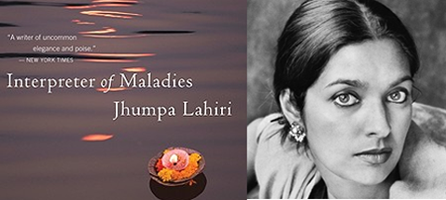
In the short story "Interpreter of Maladies", Maladies refers to the sickness.
The various themes in the chapter are as follows:
- Misconception
- Emotional turmoil displayed through characters
- Intimacy: Mr. Kapasi hopes romantic intimacy with Mrs. Das. Mrs. Das is searching for a fatherly figure to purge his sins. But Kapasi took it in a wrong way.
- Maladies
- Failure: Both Mrs. Das and Mr. Kapasi have failed. Mrs. Das has failed to live as a wife. She has proved to be dishonest and this leads to a poor marriage. Mr. Kapasi is not satisfied by his life. He has failed as a husband and as a international interpreter for the diplomats.
- Living two worlds: India/America
- Fantasizing
- Desire: To feel wanted and noticed
- Accomplishments without recognition: In Kapasi's mind his job is recognized and after getting appreciation from Mrs. Das he feels emotionally distracted. Therefore, distraction is shown both in mind and character.
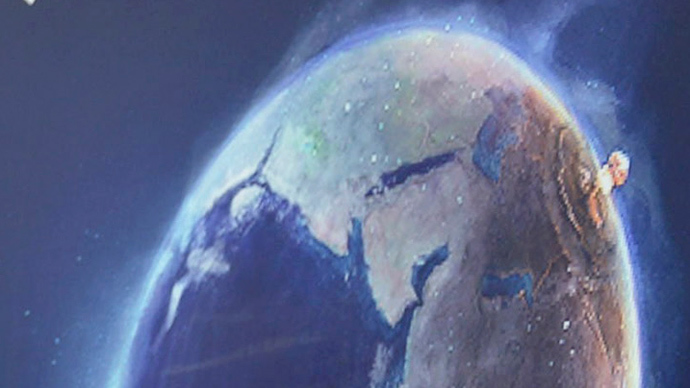
OUTSIDE EXAMPLE: Great wall of China is said to be visible from Moon. This is a great misconception in the world but this is not true.

No comments:
Post a Comment